Western Wildfires - What are the true costs?
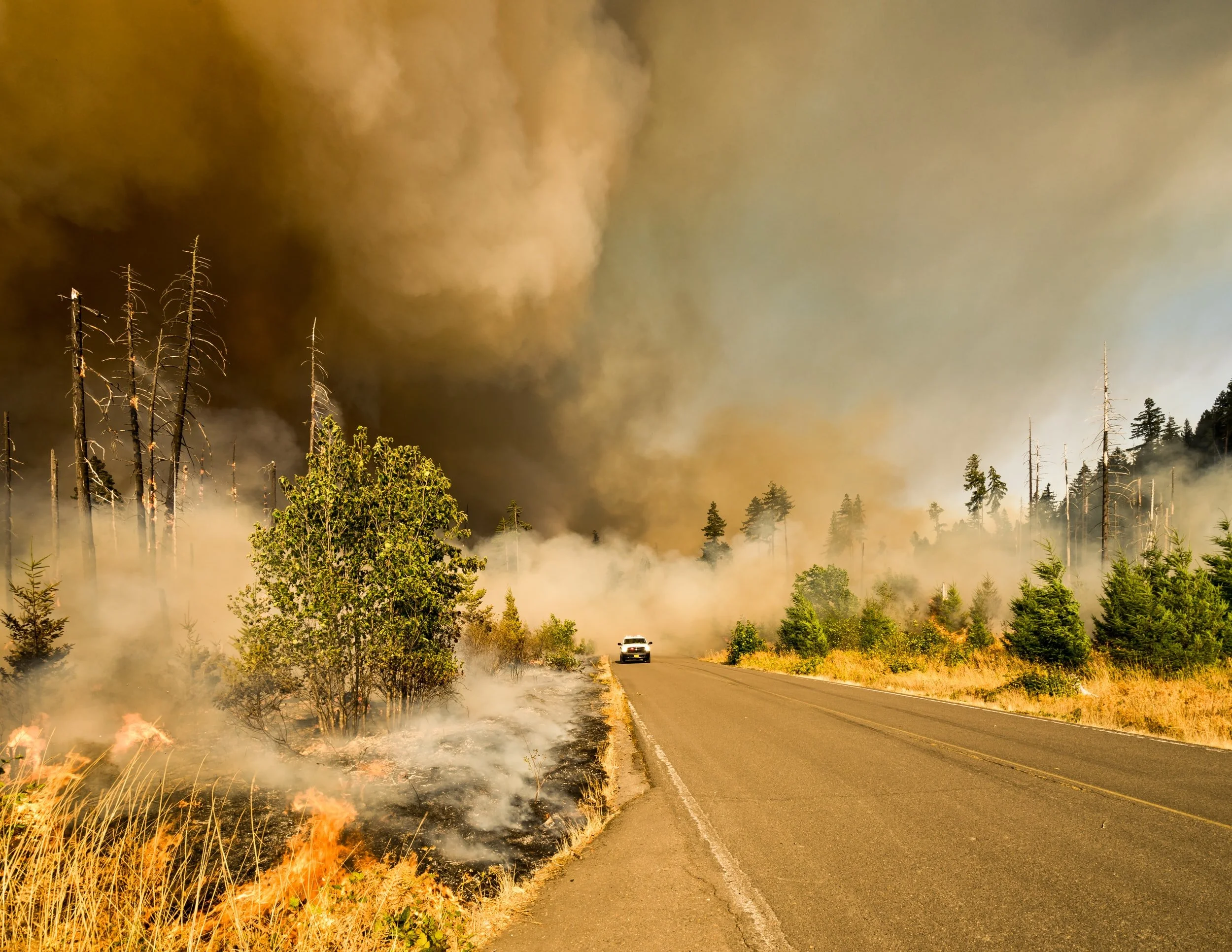
We all know that western wildfire suppression costs are … well, astronomical. In 2020, $3.7 billion to just put them out. (No numbers available that year for Arizona and Wyoming.) We know that what it takes to put out a wildfire is only a fraction of the actual costs.
Engaging our network of western water and wildfire experts, we’re looking at the true costs of wildfires, which include:
The incalculable costs of the loss of human life * Evacuation costs * Supply chain costs * Accelerated economic decline * Mental health costs * Health impacts short- and long term* Increased number of hospitals/emergency room visits because of heavy smoke * Death of wildlife/fish (both during the event and post- due to starvation) * Loss of habitat * Loss of productive timberlands * Loss of productive topsoil * Replacement of power lines * Replacement of homes * Replacement of water infrastructure * Clean-up from benzene and other chemicals * Loss of productivity - both from the fire and from wildfire smoke * Loss of economic activity * Loss of recreational facilities * Reduction of water storage * Disruption of the hydrologic cycle, (e.g., changes in the timing of runoff) * Lease of replacement water sources * Increased treatment costs—short term/long term * Cost of years of sediment removal in watersheds and reservoirs * Taste and water odor issues-loss of reputation and customer goodwill.
Talking Money: Wildfire, Water & Forest Health -
A Confluence West Briefing Paper
May 2026
There’s a longstanding myth in the American West that municipal bond underwriters aren’t interested in “soft” water projects (i.e., forest and headwaters restoration) but only “hard” water projects (i.e., human-built infrastructure).
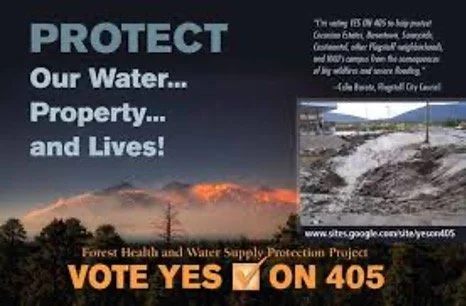
Flagstaff, Arizona’s story, shows that you can, in fact, secure those bonds.
A few years ago, Confluence West studied which municipalities and utilities rely, wholly or partially, on water from headwater National Forests. We identified 73 Western communities that meet this criterion.
In this briefing paper, we look at two questions:
First question: How did Flagstaff raise over $12 million to restore and protect the forests that provide most of its water supply?
Second – and the more timely - question: With the Flagstaff bond initiative being a great success, why haven’t other utilities and municipalities followed in Flagstaff’s footsteps?
The question for municipal leaders and water agency boards is no longer whether watershed protection makes financial sense. Flagstaff, Denver Water, Santa Rosa, Santa Barbara, Eugene Water, and so many others can easily answer that question.